
Where Wine Meets Place
Lake Leelanau, Suttons Bay, and the Power of Destination
Wine is never just about what’s in the glass. It’s shaped by where it’s grown, how it’s shared, and the feeling of arrival — the sense that you’ve landed somewhere distinct. At Gilchrist Farm Winery, the vineyard is near the shores of Lake Leelanau, while the tasting room welcomes visitors just a short drive away in Suttons Bay. Together, they create a layered experience of place, where land, water, and community converge.
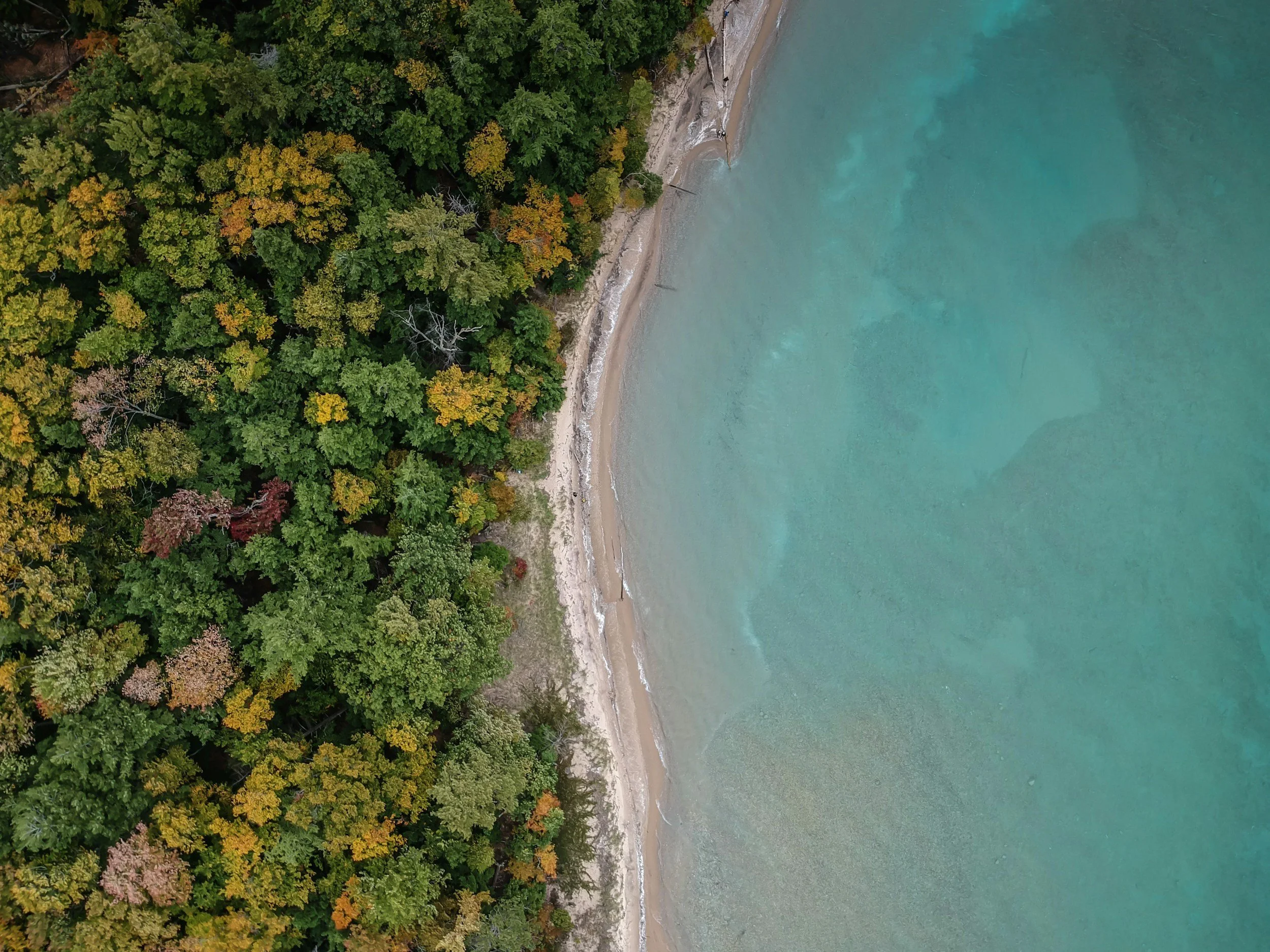
Roads wind past orchards and farmland before opening onto Lake Leelanau’s wide horizon. The pace slows. Conversations linger. And wine becomes less of a product and more of a companion to the landscape.
Why Suttons Bay
Suttons Bay’s appeal isn’t loud or manufactured. It’s rooted in walkable streets, historic buildings, and a community that feels both welcoming and grounded. Visitors arrive looking for something quieter than a traditional wine destination — and find a place where tasting wine fits naturally between shoreline walks, local meals, and unhurried afternoons. The offsite tasting room allows the charm of the village to frame the experience, while the wines themselves remain deeply connected to the vineyard and its terroir.
The Leelanau Peninsula offers something rare: a balance between natural beauty and human scale. Cool lake breezes shape the vineyards, distinct seasons mark time clearly, and the surrounding water gives the region both its climate and its calm. This is destination travel without spectacle — an invitation to notice.
Boutique Wineries and Regional Identity
Small, estate-focused wineries play a quiet but essential role in shaping Leelanau’s identity. Rather than competing for attention, they collectively reinforce a shared sense of place — one built on stewardship, patience, and care.
Boutique wineries like Gilchrist Farm Winery don’t just produce wine; they participate in the life of the region. Farming the land along Lake Leelanau, welcoming guests in Suttons Bay, hosting meals, and working in rhythm with the seasons all contribute to a broader story of what Leelanau is.
When visitors remember a place, they often remember how it made them feel. A conversation at the tasting bar. A glass shared outdoors. A meal that reflected the season. These moments become part of the region’s cultural fabric.
Design, Hospitality, and the Experience of Place
Design and hospitality quietly shape how visitors understand a destination. Thoughtful spaces — tasting rooms, gardens, tables set for sharing — guide the experience without demanding attention. Materials, layout, and flow matter. So does warmth.
At their best, design and hospitality don’t distract from the wine or the land — they frame them. They encourage guests to slow down, settle in, and feel connected to where they are. In regions like Leelanau, this restraint is part of the appeal. Hospitality becomes an extension of the landscape itself: open, calm, and generous.
Destination as Identity
Wine tourism on the Leelanau Peninsula isn’t about checking boxes or chasing trends. It’s about immersion. About arriving somewhere that feels cohesive — where vineyard, water, village, wine, and hospitality tell the same story.
Lake Leelanau and Suttons Bay offer a reminder that destination and identity are deeply intertwined. When wine is grown with intention and shared with care, it becomes a lens through which people understand a place — and often, themselves.
In the end, the appeal of Leelanau is simple: wine, water, and small-town charm, held together by a sense of belonging. It’s not a place you rush through. It’s a place you return to — glass in hand, ready to linger.