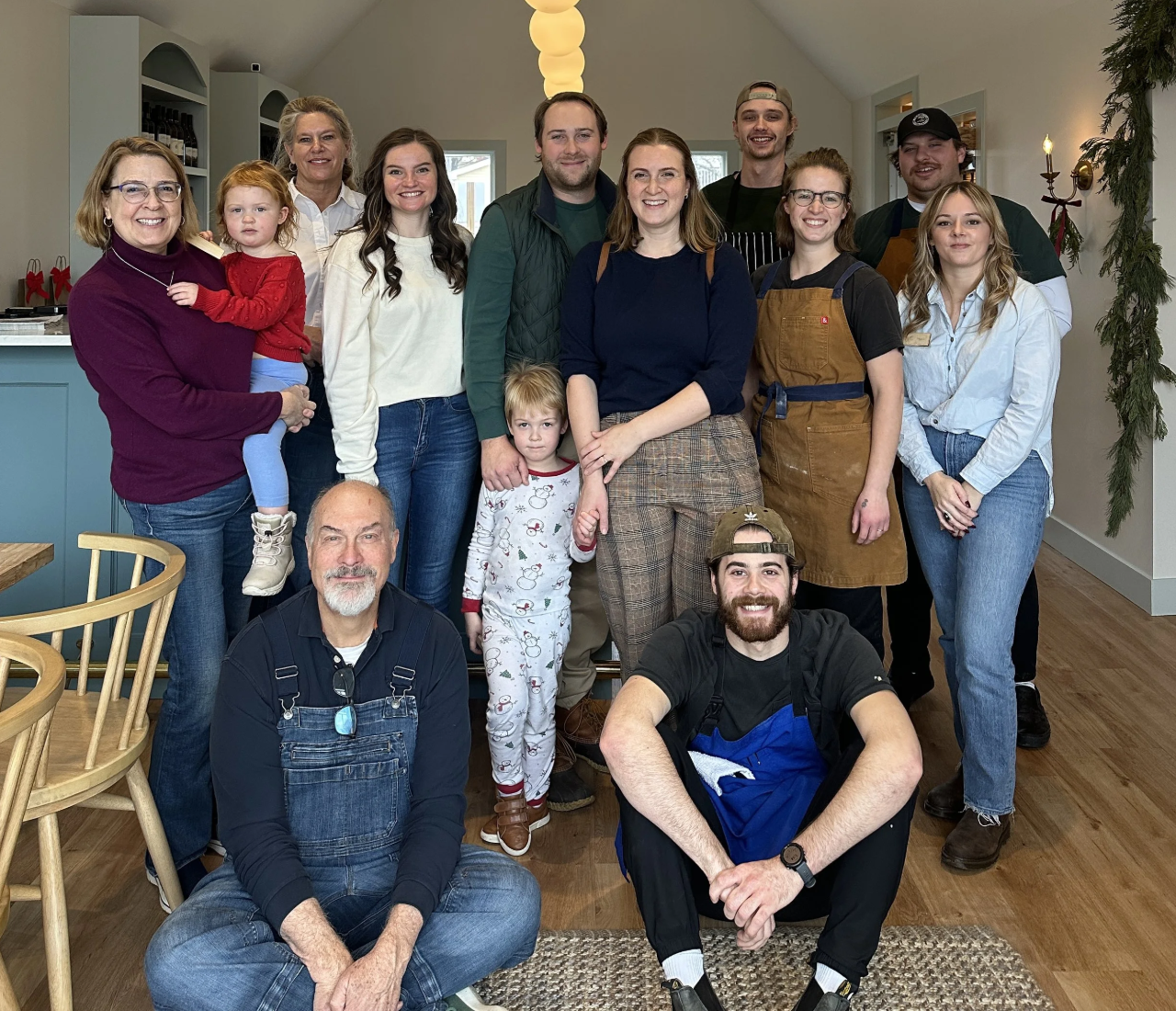
We asked Laurel to answer a few questions!
Hi, my name is Laurel Huntoon, and I love plants. I love growing them, cooking them, and eating them. I am passionate about regenerative agriculture and healing with food. I've been living in Suttons Bay for five years now and love being a part of this sweet and friendly community. I am glad to share my passion with them and anybody that comes to the tasting room.
What is your favorite food to eat and cook?
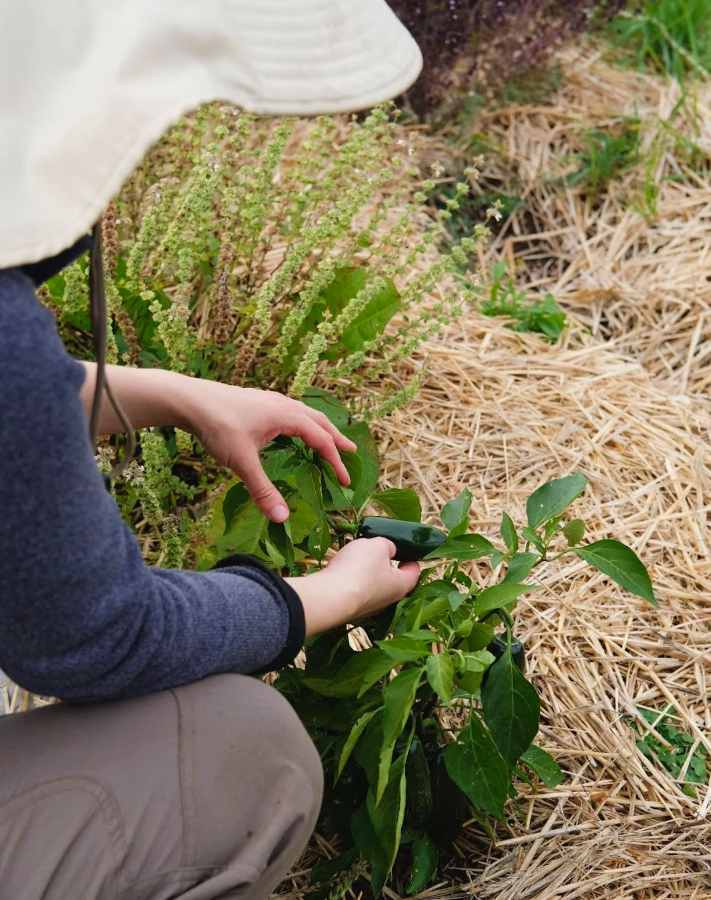
My favorite food to eat and cook are peppers, both hot and sweet. I love how much flavor they add to so many dishes, how versatile they are and how many varieties there are. I have about 15 different varieties that I use in my own kitchen and they all have their own purpose and flavor.
If you were a piece of produce, what would you be?
I think I would be a carrot. I much prefer cool spring and fall weather to the heat, and I'm usually covered in dirt when you pull me out of the garden!
How did you get into the soil science field?
I am passionate about health and healing, and using food as medicine, but that's hard to do when the food is growing in dead soil and covered in chemicals. I searched and tried many different growing methods for years trying to find a way to grow food that was the most nutritious and safe that it could be, and found the Soil Food Web. It goes beyond just being organic but restorative. So not just not using chemical sprays but putting life back into the soil to make it healthy again.
What aspect of your work is most rewarding? What aspect is the most challenging?
I love planting a tiny seed, like a tomato for example, and then getting 50 pounds of produce from that tiny seed, that I can eat or preserve for later. That is such a rewarding feeling, and it's so cool knowing all of that food came from a seed smaller than a grain of rice.
The most challenging part of the job is some sort of pest coming along and attacking your plants that you have been carefully tending to for so long. For example, I had only one tomato hornworm in my garden this year. One singular worm, but it defoliated several plants in ONE DAY! Thankfully I found it munching away before it could reproduce or wreak more havoc, but it's devastating to go to bed knowing your garden looks great and then going the next day to find several plants destroyed.
What are you looking forward to on the farm in the coming year?
I'm excited to finally try the purple asparagus I planted. The general guidelines are to wait for three years to harvest asparagus from your patch and so I have been patiently waiting for the past couple of years to get to try them. There might also be a small harvest from our orchard trees next year that I'm looking forward to!
Do you have a motto or a set of phrases that you live by, and care to share with us?
The same phrase that a fellow farmer I know uses, which is "There is always next year." So you might have something destroy your crops or you might not be able to plant what you wanted to or whatever it is, but you can always try again next year.