
Cardamom
Health Benefits of Cardamom
Elettaria cardamomum | Evidence-Based Overview
Known as the "Queen of Spices," cardamom has been prized in Ayurvedic and traditional medicine for over 4,000 years. Native to southern India, it is one of the world's most expensive spices by weight. Its primary bioactive compounds — 1,8-cineole, alpha-terpineol, limonene, and various flavonoids — are concentrated in the seeds and drive its broad therapeutic profile.
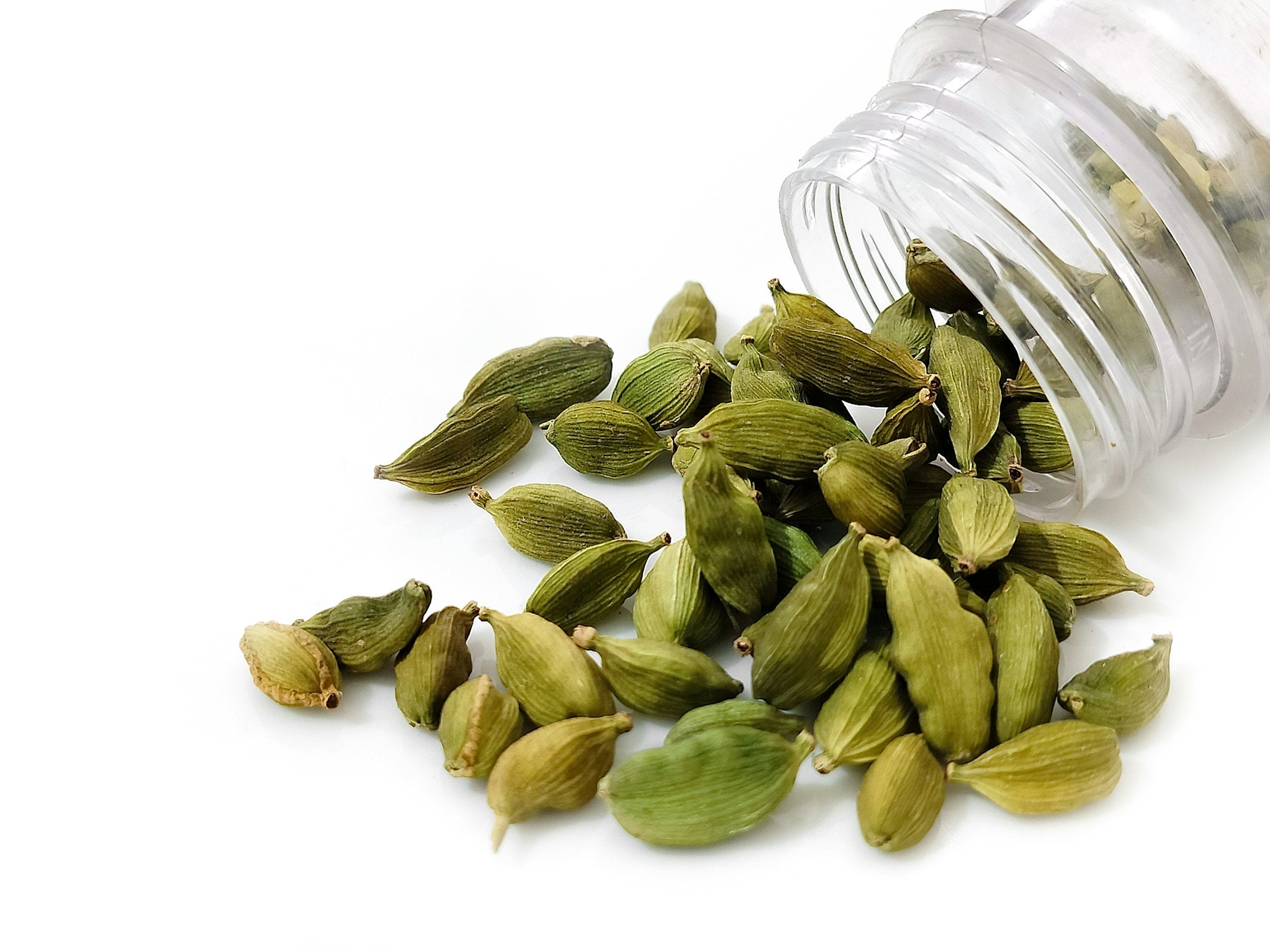
photo by Jaspreet Kalsi
Heart Health & Blood Pressure
• Lowers systolic and diastolic blood pressure
• Diuretic effect reduces fluid retention and cardiac load
• Antioxidants protect arterial walls from oxidative damage
• Improves fibrinolytic activity, reducing clot risk
• Lowers triglycerides and total cholesterol in studies
Digestive Health
• Stimulates digestive enzyme secretion
• Relieves bloating, gas, nausea, and indigestion
• Carminative: relaxes smooth muscle in the GI tract
• Protects stomach lining; may help prevent ulcers
• Traditionally used to relieve constipation and acidity
Anti-Inflammatory & Antioxidant
• Inhibits pro-inflammatory enzymes (COX-1, COX-2, LOX)
• High polyphenol content neutralizes free radicals
• Reduces oxidative stress markers in metabolic disease
• Protects liver and kidney tissue from inflammatory damage
• Flavonoids quercetin and kaempferol contribute to activity
Oral & Respiratory Health
• Naturally freshens breath and inhibits oral bacteria
• Active against Streptococcus mutans (cavity-causing bacteria)
• 1,8-cineole acts as a natural expectorant
• Opens airways; traditionally used for asthma and bronchitis
• Anti-inflammatory effect soothes sore throats
Blood Sugar Regulation
• Improves insulin sensitivity and glucose metabolism
• Lowers fasting blood glucose in diabetic animal models
• Manganese content supports insulin function
• Reduces glycation of proteins that damage blood vessels
• Antioxidant activity protects pancreatic beta cells
Antimicrobial Properties
• Essential oils inhibit E. coli, Staph, and Salmonella
• Broad-spectrum antifungal against Candida species
• Disrupts bacterial cell membranes and biofilm formation
• Active against food-borne pathogens
• Synergistic with conventional antibiotics in studies
Liver & Detoxification
• Activates liver detox enzymes (glutathione-S- transferase)
• Reduces liver enzyme levels elevated by fatty diet
• Protects against non-alcoholic fatty liver disease
• Supports bile production for fat digestion and toxin clearance
• Antioxidants shield hepatocytes from oxidative stress
Mood, Sleep & Stress
• Aromatherapy use reduces anxiety and improves mood
• 1,8-cineole shown to lower cortisol stress hormone
• Mild adaptogenic properties support stress resilience
• Traditionally used as a natural antidepressant in Ayurveda
• May improve sleep quality by calming the nervous system
Cancer Research
promising — primarily preclinical findings
Lab and animal studies show cardamom extract inhibits tumor growth and induces apoptosis in colorectal, skin, and breast cancer cells. Its compound indole-3-carbinol has demonstrated particular anti-tumor activity. Cardamom also activates natural killer cells, supporting the immune system's ability to surveil and destroy abnormal cells. It has shown promising chemopreventive effects in colon cancer animal models. Human clinical evidence remains limited but the mechanistic basis is well-grounded.
Practical Notes
Best form: Freshly ground seeds from whole pods — most potent; pre-ground loses volatile oils quickly.
Cautions: Generally very safe at culinary doses; high supplemental doses may lower blood pressure — monitor if on antihypertensives.
Disclaimer: This information is for educational purposes only and does not constitute medical advice. Consult a qualified healthcare provider before using cardamom therapeutically.