
Garlic
Health Benefits of Garlic
Allium sativum | Evidence-Based Overview
Garlic has been used medicinally for over 5,000 years across Egyptian, Greek, Roman, and Asian cultures. Its primary bioactive compound is allicin, produced when raw garlic is crushed or chopped. Allicin and related organosulfur compounds — including diallyl sulfide, S-allylcysteine, and ajoene — are responsible for garlic's broad therapeutic effects.
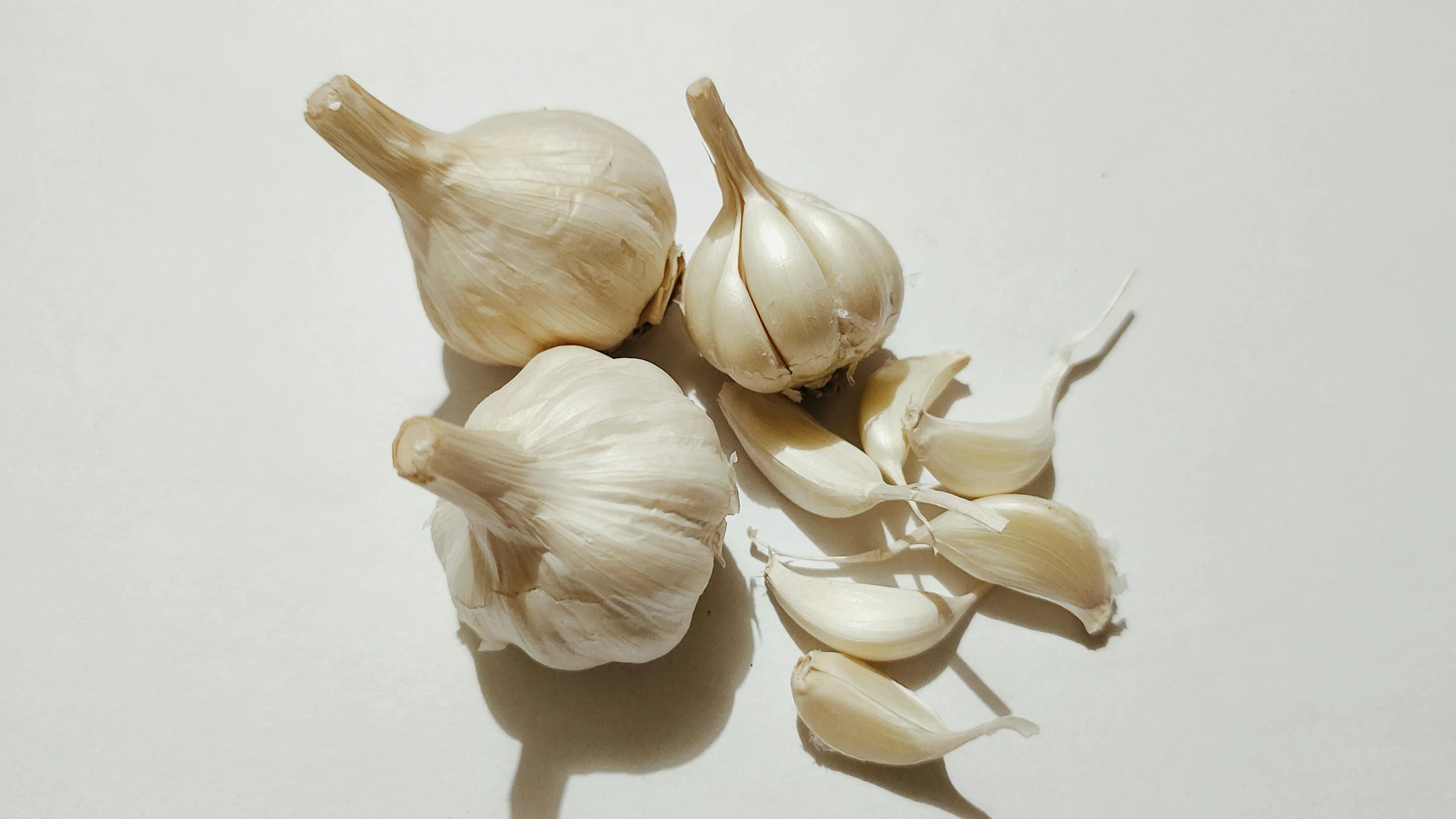
photo by Surya Prakash
Cardiovascular Health
• Lowers total and LDL cholesterol significantly
• Reduces blood pressure (systolic and diastolic)
• Inhibits platelet aggregation, reducing clot risk
• Improves arterial flexibility and circulation
• May reduce risk of atherosclerosis progression
Immune System Support
• Stimulates macrophages, T-cells, and natural killer cells
• Reduces frequency and duration of common colds
• Broad-spectrum antimicrobial: bacteria, viruses, fungi
• Active against antibiotic-resistant strains (MRSA)
• Boosts immune response after illness or stress
Anti-Inflammatory & Antioxidant
• Suppresses pro-inflammatory cytokines (IL-6, TNF-alpha)
• Neutralizes free radicals via organosulfur compounds
• Boosts glutathione — the body's master antioxidant
• Reduces oxidative stress in metabolic disease
• Protects DNA from oxidative damage
Blood Sugar Regulation
• Improves insulin sensitivity and glucose uptake
• Lowers fasting blood glucose in diabetic patients
• Reduces HbA1c levels over time
• Protects pancreatic beta cells from oxidative damage
• Slows carbohydrate digestion via enzyme inhibition
Detoxification & Liver Health
• Activates liver detox enzymes (glutathione-S-transferase)
• Protects liver from toxin-induced damage
• Reduces heavy metal accumulation (lead, mercury, cadmium)
• Supports Phase I and Phase II liver detox pathways
• May help prevent non-alcoholic fatty liver disease
Bone & Joint Health
• Increases estrogen levels in postmenopausal women
• Reduces bone loss and supports bone density
• Diallyl disulfide inhibits cartilage-damaging enzymes
• Reduces inflammatory joint markers in arthritis
• May lower risk of hip osteoarthritis
Brain & Neurological Health
• S-allylcysteine protects neurons from oxidative damage
• May reduce risk of Alzheimer's and dementia
• Improves cerebral blood flow
• Anti-inflammatory effects benefit brain aging
• Shows neuroprotective activity in animal models
Digestive & Gut Health
• Prebiotic effect: feeds beneficial gut bacteria
• Antimicrobial against H. pylori (ulcer-causing bacteria)
• Reduces intestinal inflammation
• Supports healthy gut microbiome diversity
• May help prevent colon cancer via microbiome modulation
Cancer Research
(promising — epidemiological and preclinical findings) Epidemiological studies link high garlic consumption to reduced risk of stomach, colorectal, esophageal, and prostate cancers. Allicin and ajoene induce apoptosis and inhibit tumor cell proliferation in lab models. Garlic's sulfur compounds also activate detox enzymes that neutralize carcinogens before they can damage DNA. While human clinical trial evidence is still developing, garlic is classified as a probable cancer-protective food by several major health agencies.
Practical Notes
Best form: Raw, crushed/chopped — activates allicin; let it sit one to ten minutes before eating.
Cautions: May interact with blood thinners (warfarin); can cause GI upset on empty stomach; avoid high doses before surgery.
Disclaimer: This information is for educational purposes only and does not constitute medical advice. Consult a qualified healthcare provider before using garlic therapeutically.