
Turmeric
Health Benefits of Turmeric
Curcuma longa | Evidence-Based Overview
Turmeric has been a cornerstone of Ayurvedic and traditional Chinese medicine for millennia. Its primary bioactive compound, curcumin, is a powerful polyphenol with anti-inflammatory, antioxidant, and neuroprotective properties. Bioavailability is significantly enhanced when taken with black pepper (piperine) or healthy fats.
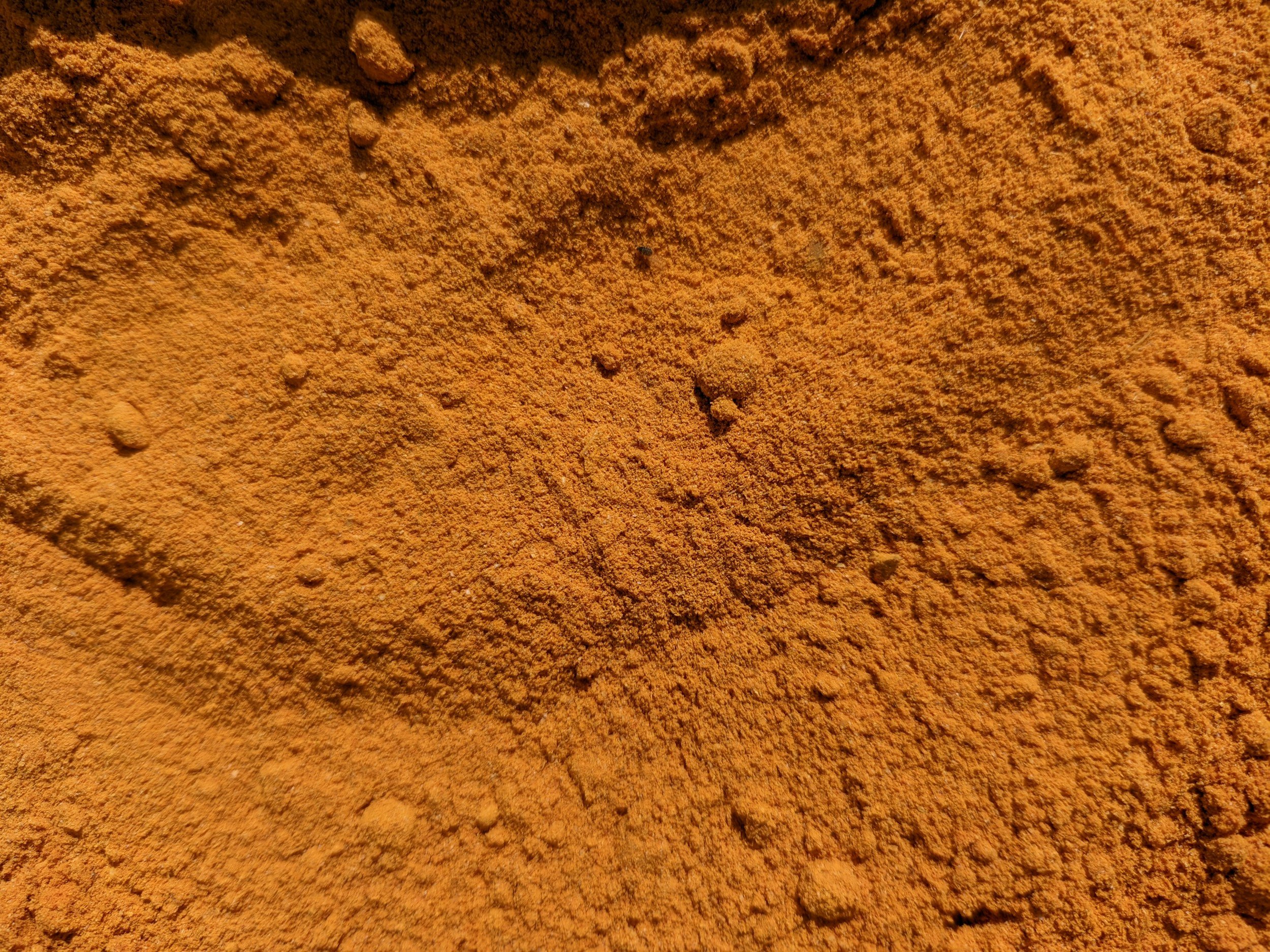
photo by Md Shakil Photography
Anti-Inflammatory
• Inhibits NF-kB, a key driver of chronic inflammation
• Rivals ibuprofen for knee osteoarthritis pain in clinical trials
• Reduces inflammatory markers: CRP, IL-6, TNF-alpha
• Beneficial for rheumatoid arthritis and inflammatory bowel conditions
Antioxidant Protection
• Neutralizes free radicals directly
• Boosts the body's own antioxidant enzymes (SOD, catalase)
• Protects cells from oxidative damage linked to aging
• Reduces lipid peroxidation in cardiovascular tissues
Brain & Mental Health
• Boosts BDNF (brain-derived neurotrophic factor)
• May reduce risk of Alzheimer's by clearing amyloid plaques
• Shown to reduce symptoms of depression in clinical trials
• Improves memory and attention in healthy older adults
Heart Health
• Improves endothelial function (blood vessel lining health)
• Lowers LDL cholesterol and triglycerides
• Reduces platelet aggregation, lowering clot risk
• Protective effects shown post-bypass surgery
Digestive Health
• Stimulates bile production, aiding fat digestion
• Reduces symptoms of IBS and functional dyspepsia
• Protects intestinal lining from inflammatory damage
• Promotes healthy gut microbiome diversity
Blood Sugar Regulation
• Improves insulin sensitivity and glucose metabolism
• Lowers fasting blood glucose levels
• Delays onset of type 2 diabetes in pre-diabetics
• Reduces glycation end-products that damage tissues
Joint & Bone Health
• Reduces cartilage degradation in osteoarthritis
• Decreases joint swelling and morning stiffness
• Inhibits osteoclast activity, supporting bone density
• May slow progression of inflammatory arthritis
Immune & Skin Health
• Modulates both innate and adaptive immune responses
• Antimicrobial against bacteria, viruses, and fungi
• Topically: accelerates wound healing; reduces acne
• May reduce severity of psoriasis and eczema flares
Cancer Research
(promising — largely preclinical) Curcumin has demonstrated anti-tumor activity across multiple cancer types in lab studies — including breast, colon, prostate, and lung cancers. It appears to inhibit tumor cell proliferation, induce apoptosis, and suppress angiogenesis. Human trial data is growing but limited, partly due to curcumin's low bioavailability. Formulations using nanoparticles and phospholipid complexes are improving this.
Practical Notes
Bioavailability tip: Take with black pepper (piperine) — increases absorption by up to 2,000%
Cautions: May interact with blood thinners and diabetes medications; avoid high doses in pregnancy
Disclaimer: This information is for educational purposes only and does not constitute medical advice. Consult a qualified healthcare provider before using turmeric therapeutically.