
Black Pepper
Health Benefits of Black Pepper
Piper nigrum | Evidence-Based Overview
Once so prized it was used as currency, black pepper is the world's most traded spice and has been a staple of Ayurvedic medicine for over 4,000 years. Its primary bioactive compound, piperine, is responsible for both its pungent heat and its extraordinary ability to enhance the absorption of other nutrients and medicines — earning black pepper a unique role as a "bioavailability booster" unlike any other spice.
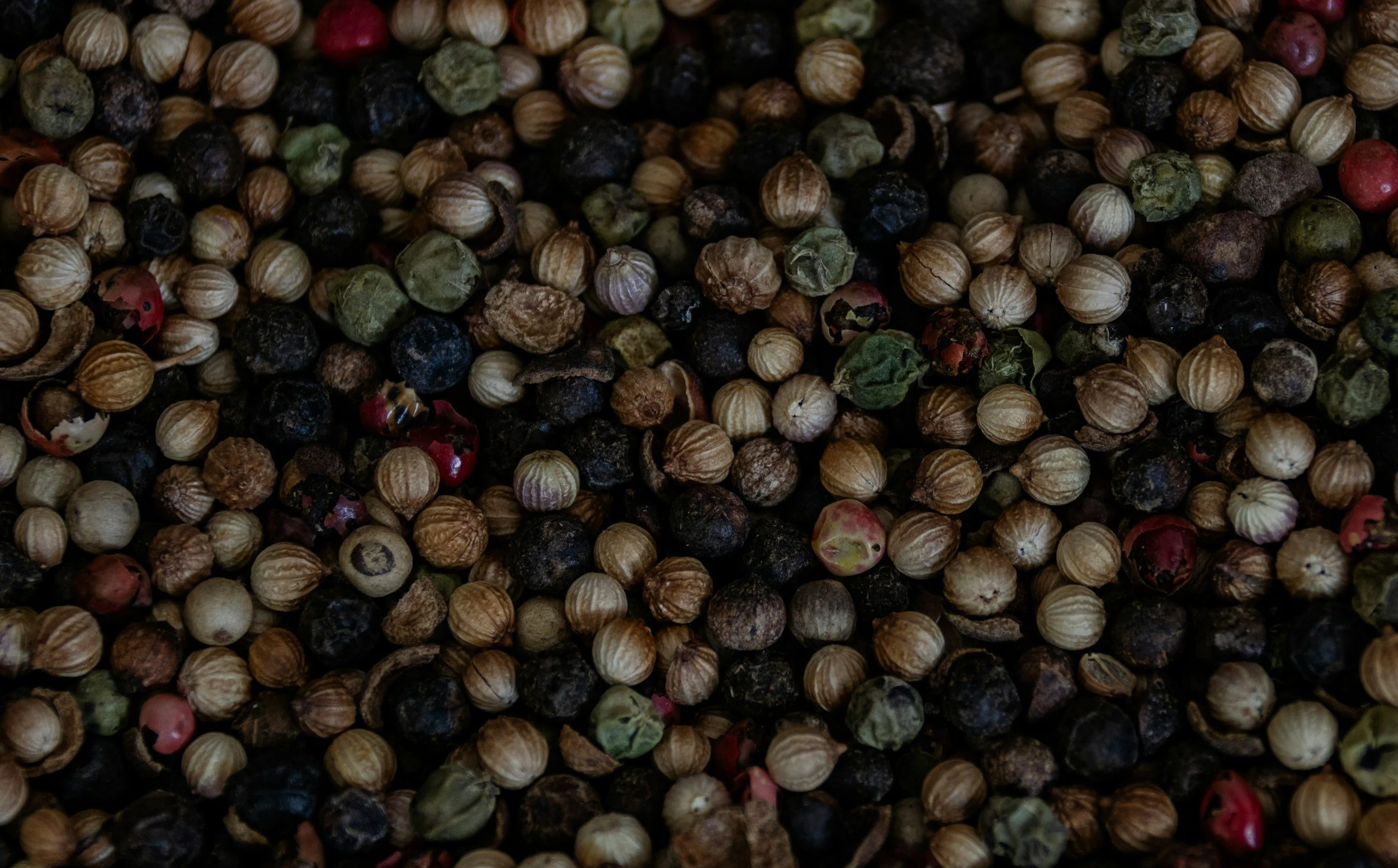
photo by Nicolas Houdayer
Bioavailability Enhancement
• Increases curcumin (turmeric) absorption by up to 2,000%
• Boosts absorption of CoQ10, resveratrol, and beta-carotene
• Enhances bioavailability of selenium, vitamin B12, and iron
• Inhibits intestinal enzymes and P-glycoprotein drug efflux pumps
• Slows liver metabolism, allowing nutrients more time to absorb
Digestive Health
• Stimulates hydrochloric acid secretion for better protein digestion
• Carminative: relieves bloating, gas, and intestinal cramping
• Stimulates digestive enzymes in the pancreas
• Antimicrobial against H. pylori and gut pathogens
• Increases intestinal motility, reducing constipation
Anti-Inflammatory & Antioxidant
• Piperine inhibits NF-kB and COX-2 inflammatory pathways
• Neutralizes free radicals and reduces oxidative stress markers
• Reduces CRP and other systemic inflammation indicators
• Flavonoids kaempferol and quercetin add antioxidant activity
• Protects cells from oxidative damage linked to chronic disease
Brain & Neurological Health
• Piperine inhibits MAO, raising serotonin and dopamine levels
• Improves memory and reduces cognitive decline in animal models
• Neuroprotective against Parkinson's-related cell damage
• Reduces brain inflammation and oxidative stress
• May enhance effects of antidepressants via MAO inhibition
Metabolism & Weight Management
• Piperine inhibits adipogenesis — the formation of new fat cells
• Thermogenic: increases metabolic rate and calorie burn
• Activates PPAR-gamma, a key regulator of fat metabolism
• Reduces body fat percentage in overweight subjects
• Enhances absorption of weight-supporting nutrients like CoQ10
Blood Sugar & Insulin Health
• Improves insulin sensitivity and glucose uptake in cells
• Inhibits alpha-glucosidase, slowing carbohydrate digestion
• Lowers fasting blood glucose in diabetic animal models
• Reduces glycation end-products that damage tissues and vessels
• Antioxidant activity protects pancreatic beta cells
Respiratory & Immune Health
• Expectorant properties loosen and clear mucus from airways
• Antimicrobial against respiratory pathogens
• Stimulates circulation to support immune cell delivery
• Traditional remedy for colds, congestion, and sore throat
• Anti-inflammatory effect reduces bronchial irritation
Skin, Joints & Bone Health
• Topical piperine shown to stimulate melanocyte production in vitiligo
• Reduces joint inflammation and arthritis pain
• Ursolic acid supports bone density and reduces bone loss
• Improves skin texture and reduces oxidative skin aging
• Enhances skin absorption of topically applied nutrients
Cancer Research
promising — primarily preclinical findings
Piperine has demonstrated anti-tumor activity in lab studies against breast, prostate, colon, and lung cancer cell lines, inducing apoptosis and suppressing proliferation. Its most important cancer-related role, however, may be as a bioavailability enhancer: by dramatically increasing the absorption of curcumin, resveratrol, and other anti-cancer phytochemicals, piperine amplifies the therapeutic reach of an entire class of cancer-fighting compounds. It also inhibits P-glycoprotein, a pump that cancer cells use to expel chemotherapy drugs, potentially improving the efficacy of certain cancer treatments. Human clinical data is limited but the mechanistic evidence is robust.
Practical Notes
Best form: Freshly ground whole peppercorns — piperine degrades quickly after grinding; pre-ground loses potency fast.
Pairing tip: Always combine with turmeric: just 1/4 tsp black pepper with turmeric increases curcumin absorption by up to 2,000%.
Cautions: High doses may interact with certain medications by slowing liver metabolism (CYP3A4 inhibition); consult a doctor if on prescription drugs.
Disclaimer: This information is for educational purposes only and does not constitute medical advice. Consult a qualified healthcare provider before using black pepper therapeutically.