
Chili Pepper
Health Benefits of Chili Pepper
Capsicum annuum / frutescens | Evidence-Based Overview
Chili peppers have been cultivated for over 6,000 years and are the most widely consumed spice in the world. Their remarkable health properties stem primarily from capsaicin, the compound responsible for their heat, along with dihydrocapsaicin, vitamin C, beta-carotene, quercetin, and luteolin. Capsaicin acts on TRPV1 pain receptors throughout the body, unlocking a surprisingly broad range of therapeutic effects.
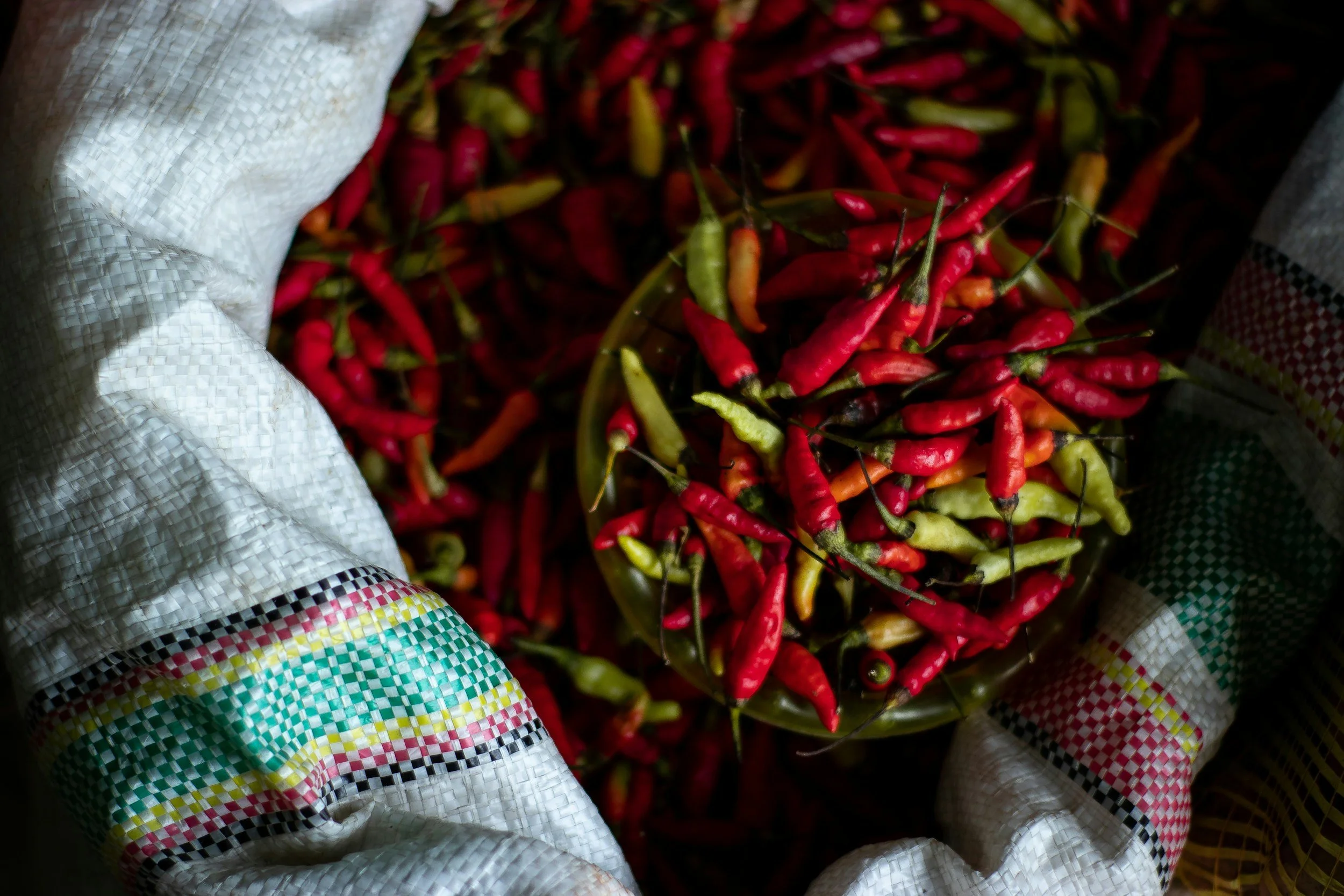
photo by Tanushree Rao
Pain Relief
• Capsaicin depletes substance P, a key pain signal neurotransmitter
• Topical creams approved for neuropathic and arthritic pain
• Effective for post-surgical, diabetic, and cluster headache pain
• Desensitizes TRPV1 pain receptors with repeated use
• High-concentration patches (8%) used in clinical pain management
Metabolism & Weight Management
• Thermogenic: increases calorie burn by 4–5% per meal
• Reduces appetite and increases satiety after eating
• Activates brown adipose tissue, boosting fat oxidation
• Lowers visceral (abdominal) fat over time
• Reduces calorie intake by curbing cravings for fatty and salty foods
Heart & Cardiovascular Health
• Reduces LDL cholesterol oxidation, protecting artery walls
• Inhibits platelet aggregation, lowering clot and stroke risk
• Improves circulation and reduces blood pressure
• Large population studies link regular consumption to lower CV mortality
• Capsaicin activates TRPV1 in heart tissue, offering cardioprotection
Digestive Health
• Stimulates digestive enzyme and gastric juice secretion
• Protects stomach lining by stimulating protective mucus
• Antimicrobial against H. pylori at low concentrations
• Reduces intestinal gas and improves gut motility
• Paradoxically soothes IBS pain via TRPV1 desensitization
Antioxidant & Anti-Inflammatory
• Exceptionally high in vitamin C — more than oranges by weight
• Beta-carotene and capsanthin are potent antioxidant carotenoids
• Quercetin and luteolin suppress inflammatory cytokines
• Capsaicin inhibits NF-kB, a master regulator of inflammation
• Reduces oxidative stress markers in metabolic disease
Blood Sugar Regulation
• Slows gastric emptying, blunting post-meal glucose spikes
• Improves insulin sensitivity and glucose metabolism
• Capsaicin activates AMPK, a key regulator of energy metabolism
• Reduces fasting blood glucose in type 2 diabetic models
• Quercetin inhibits alpha-glucosidase, slowing carb breakdown
Immune & Respiratory Health
• Vitamin C is a frontline immune defence nutrient
• Capsaicin thins mucus and acts as a natural decongestant
• Clears sinus congestion and reduces allergic rhinitis symptoms
• Anti-inflammatory effect benefits chronic respiratory conditions
• Beta-carotene converts to vitamin A, supporting mucosal immunity
Longevity & Mortality Research
• Large Harvard study: regular consumers had 13% lower mortality
• Chinese cohort study (500k people): 14% reduction in death risk
• Linked to reduced deaths from heart disease, cancer, and respiratory disease
• Anti-inflammatory and antioxidant load may explain longevity effect
• Benefits seen across diverse populations and spice consumption levels
Cancer Research
mixed findings — preclinical evidence strong, some epidemiological nuance
Capsaicin has shown potent anti-tumor activity in lab studies, inducing apoptosis and inhibiting proliferation in prostate, breast, pancreatic, and colon cancer cells. It inhibits NF-kB and VEGF, suppressing both tumor growth and angiogenesis. Epidemiological data is complex: populations with very high chili consumption show lower rates of some cancers but potentially higher rates of gastric cancer, which researchers attribute to quantity and preparation method. At moderate dietary levels, the anti-inflammatory and antioxidant profile is broadly protective. Quercetin and luteolin add additional well- documented anti-cancer activity.
Practical Notes
Best forms: Fresh, dried, flakes, or powder — all retain capsaicin; cooking concentrates it; topical creams for pain relief.
Heat & benefit: Hotter peppers (habanero, cayenne) have more capsaicin; milder peppers (bell, poblano) offer antioxidants with no heat.
Cautions: Can aggravate acid reflux and ulcers in sensitive individuals; topical capsaicin causes burning — avoid contact with eyes and mucous membranes.
Disclaimer: This information is for educational purposes only and does not constitute medical advice. Consult a qualified healthcare provider before using chili pepper therapeutically.