
Rosemary
Health Benefits of Rosemary
Salvia rosmarinus | Evidence-Based Overview
Rosemary has been revered since antiquity as a symbol of memory and vitality, and modern science is confirming its reputation. A member of the mint family native to the Mediterranean, its key bioactive compounds — rosmarinic acid, carnosic acid, carnosol, ursolic acid, and 1,8-cineole — give it powerful antioxidant, anti- inflammatory, and neuroprotective properties.
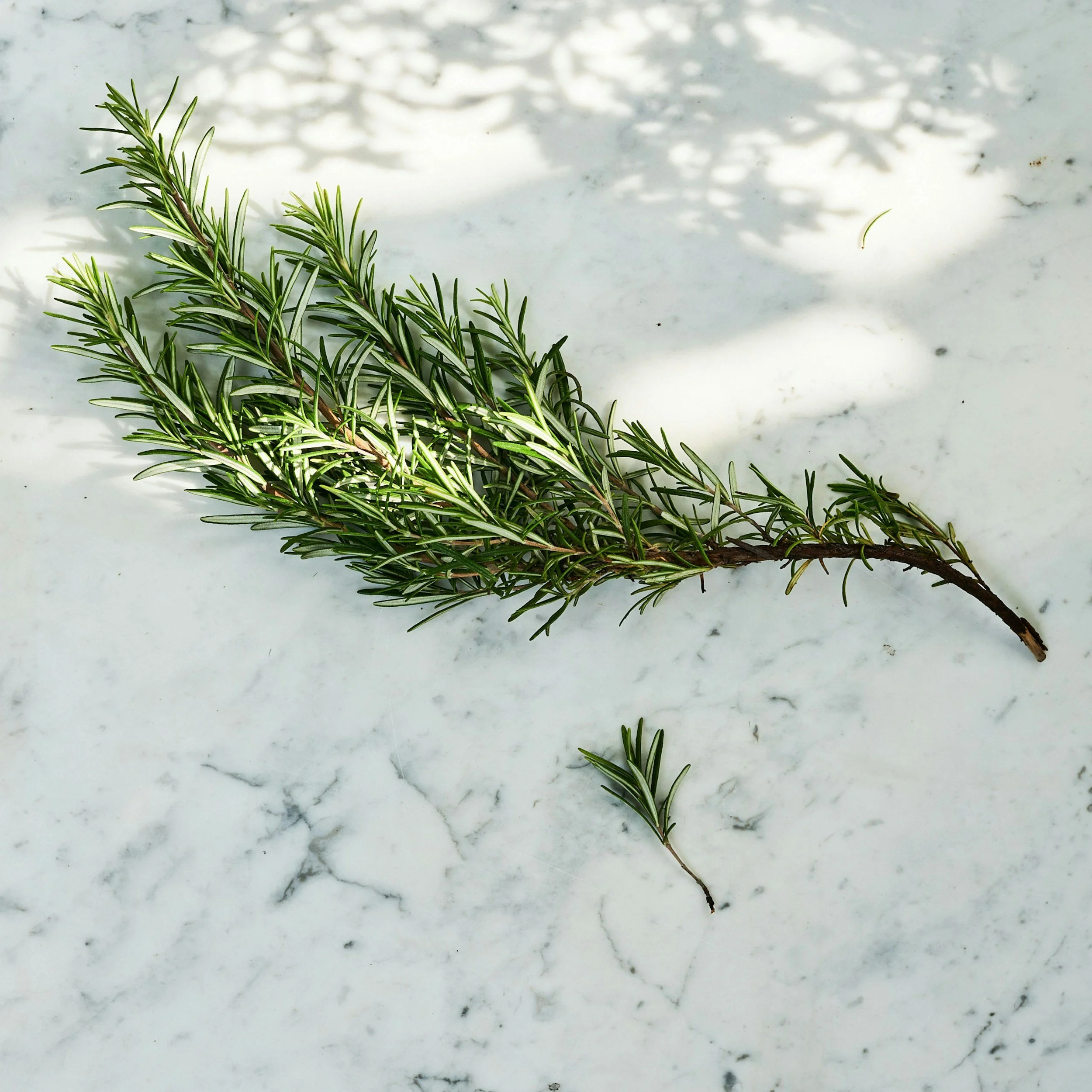
photo by Sophie
Brain, Memory & Cognition
• 1,8-cineole inhaled improves speed and accuracy of recall
• Inhibits acetylcholinesterase, boosting acetylcholine levels
• Shown to improve memory performance in healthy adults
• Neuroprotective against oxidative damage to brain cells
• May reduce risk of Alzheimer's and cognitive decline
Anti-Inflammatory & Antioxidant
• Rosmarinic acid potently inhibits NF-kB inflammation pathway
• Carnosic acid is one of the strongest natural antioxidants known
• Neutralizes free radicals and reduces lipid peroxidation
• Reduces CRP, IL-6, and other systemic inflammation markers
• Protects cells from UV-induced and environmental oxidative stress
Hair Growth & Scalp Health
• Rosemary oil matches 2% minoxidil for hair regrowth in trials
• Improves scalp circulation, stimulating follicle activity
• Inhibits DHT, the hormone that shrinks hair follicles
• Reduces scalp inflammation linked to hair loss
• Effective for androgenetic alopecia and alopecia areata
Digestive Health
• Stimulates bile production for improved fat digestion
• Reduces intestinal spasms and cramping
• Carminative properties relieve bloating and gas
• Antimicrobial against H. pylori and gut pathogens
• Traditionally used to ease liver and gallbladder complaints
Circulation & Heart Health
• Improves blood flow and microcirculation throughout the body
• Mildly lowers blood pressure via vasodilatory compounds
• Antioxidants protect endothelial (blood vessel) cells
• Reduces platelet aggregation and clot-forming tendency
• Ursolic acid shown to reduce cardiac inflammation
Mood, Stress & Mental Health
• Aromatherapy reduces cortisol and perceived stress
• Improves alertness, focus, and mental clarity
• Reduces anxiety in clinical and study settings
• Stimulates dopamine activity, supporting mood
• Reduces mental fatigue and improves sustained attention
Antimicrobial & Immune Support
• Broad-spectrum antibacterial against E. coli and Staph
• Antifungal against Candida and common skin fungi
• Carnosol shown to have antiviral activity
• Stimulates white blood cell activity and immune response
• Rosmarinic acid has potent anti-allergic properties
Pain Relief & Muscle Health
• Topically reduces muscle soreness and joint pain
• Inhibits pain signaling pathways (COX enzymes)
• Used traditionally for headaches and migraines
• Improves circulation to sore or injured tissue
• Carnosol reduces inflammatory pain comparably to some NSAIDs
Cancer Research
promising — primarily preclinical findings
Carnosol and carnosic acid have demonstrated significant anti-tumor activity in lab studies, inducing apoptosis and inhibiting proliferation in breast, prostate, colon, and skin cancer cell lines. Rosmarinic acid inhibits angiogenesis — the formation of new blood vessels that feed tumors. Ursolic acid has shown potent activity against multiple cancer types in animal models. Rosemary extract has also been studied as a natural food preservative that reduces formation of carcinogenic heterocyclic amines during high-heat cooking of meat.
Practical Notes
Best forms: Fresh or dried herb in food; rosemary essential oil (topical/aromatherapy); standardized extract supplements.
Hair use tip: Dilute rosemary essential oil in a carrier oil (e.g. jojoba) and massage into scalp — more effective than shampoo additives.
Cautions: Avoid high-dose supplements during pregnancy; large amounts may interact with blood thinners and ACE inhibitors.
Disclaimer: This information is for educational purposes only and does not constitute medical advice. Consult a qualified healthcare provider before using rosemary therapeutically.